

What Is NDR in Shipping? A Practical Guide to Reducing Non-Delivery Reports
NDR (Non-Delivery Report) is the single biggest lever most Indian D2C sellers have over their RTO rate. Here's what causes it and how to actually cut it.
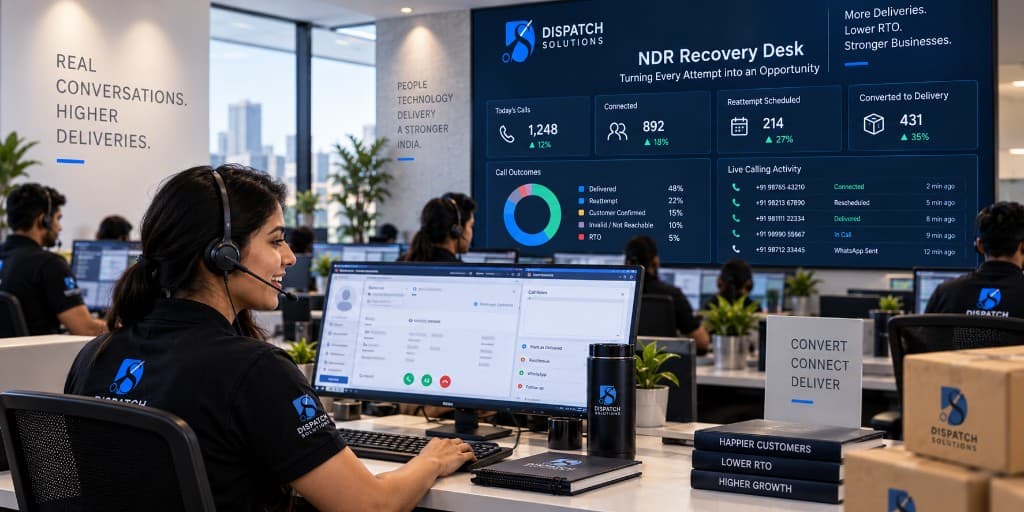
Every courier partner in India files an NDR — a Non-Delivery Report — the moment a delivery attempt fails. It's the single most common reason a parcel that left your warehouse never reaches the buyer's doorstep, and it's usually the last checkpoint before that shipment becomes an RTO (Return to Origin).
Why deliveries actually fail
The reason codes couriers use sound generic ("customer unavailable," "address not found"), but in practice most NDRs trace back to a handful of root causes:
- The buyer genuinely wasn't home and no one confirmed a delivery window in advance.
- The address was incomplete or ambiguous — common with hyperlocal deliveries in dense colonies or new construction.
- The phone number on the order is unreachable, so the delivery executive can't call ahead.
- COD hesitation — the buyer decided against the order after checkout and simply refuses at the door.
- The pincode is genuinely low-serviceability for that carrier, and the attempt was a formality.
Why NDR matters more than most sellers think
An NDR isn't the end of the shipment — most carriers allow one or more re-attempts — but every day a parcel sits in NDR status is a day it isn't converting. Left unmanaged, the large majority of NDRs quietly convert into RTOs, and RTO is expensive in ways that don't show up on a single line item: forward freight, reverse freight, repackaging labor, and a lost sale, all at once.
What actually moves the needle
- Confirm before you ship. A WhatsApp or SMS confirmation on high-risk COD orders — before the parcel even leaves the warehouse — filters out a meaningful share of orders that were never going to convert anyway.
- React inside the delivery window, not after. Once a carrier logs an NDR, the reattempt clock is running. A carrier-specific action form (edit address, confirm reattempt, escalate) filed within hours converts at a materially higher rate than one filed the next day.
- Call, don't just message. IVR or a live callback for orders that show "unreachable" catches a real slice of deliveries a WhatsApp ping alone won't.
- Track repeat offenders. A small number of phone numbers or addresses generate a disproportionate share of NDRs. Flagging or COD-blocking repeat refusers protects margin on every other order.
The operational reality
None of this is hard in isolation — the difficulty is doing it consistently, across every carrier's own portal, for every order, every day. That's the actual job of an NDR desk: not a clever trick, just fast, consistent follow-up on every failed attempt before the reattempt window closes.
Ready to put this into practice?
See how Dispatch handles NDR