

COD vs Prepaid Shipping in India: What D2C Brands Should Actually Weigh
Cash on Delivery isn't going away in Indian ecommerce, and prepaid isn't a silver bullet either. Here's how to think about the actual tradeoff.
For most Indian D2C sellers, especially outside the largest metros, Cash on Delivery still isn't optional — it's a meaningful share of checkout conversions. Removing it outright typically costs more orders than it saves in RTO. But COD comes with real downstream costs that a purely conversion-focused view misses.
What each model actually optimizes for
Prepaid orders convert at a lower rate at checkout but arrive with far less delivery risk — the buyer has already committed money, so refusal at the doorstep is rare. COD converts more browsers into orders but pushes the commitment decision to the doorstep, where it's much easier for a buyer to change their mind, and much more expensive for the seller when they do.
Neither number tells the whole story
A high COD share with a high RTO rate can be worse for the bottom line than a smaller number of prepaid orders that all convert to revenue. The number that actually matters isn't checkout conversion rate or COD share in isolation — it's net delivered revenue after RTO and reconciliation costs.
Practical middle-ground strategies
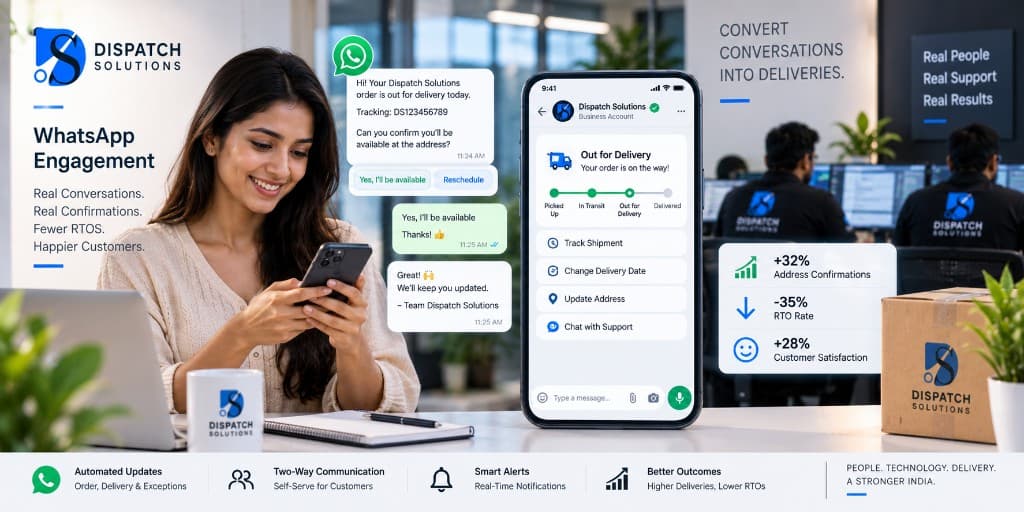
- Verify high-risk COD orders over WhatsApp before dispatch, rather than blocking COD outright.
- Offer a small COD convenience fee, or a discount for prepaid, so the buyer's own choice does some of the filtering.
- Block or flag repeat COD-refusers instead of penalizing every COD buyer for a small group's behavior.
- Reconcile COD collections against expected order value automatically — unremitted or short-remitted COD cash is a separate, easy-to-miss loss on top of RTO.
The operational cost people forget
Even COD orders that deliver successfully still need reconciling — matching what the courier actually collected and remitted against what the order was worth. At volume, doing this by hand across multiple carriers is its own quiet source of lost revenue, separate from RTO entirely.
Ready to put this into practice?
See how COD reconciliation works